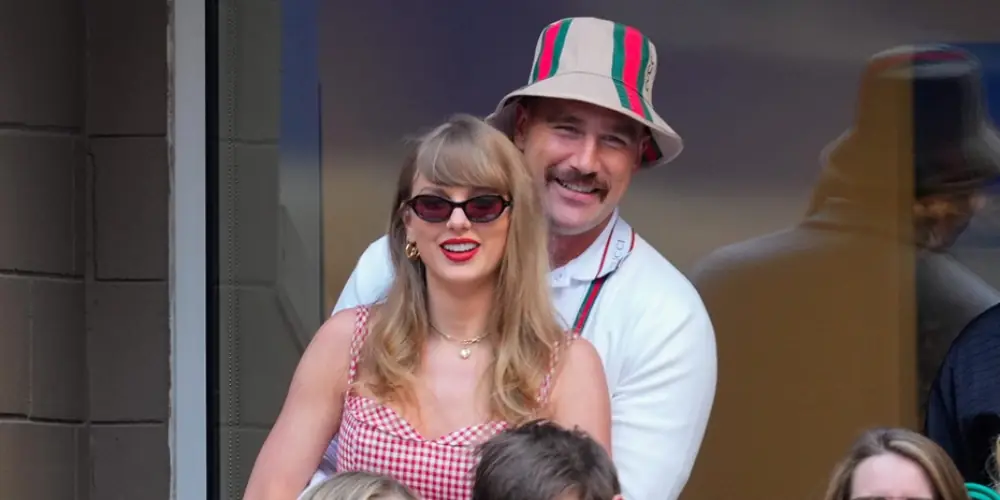
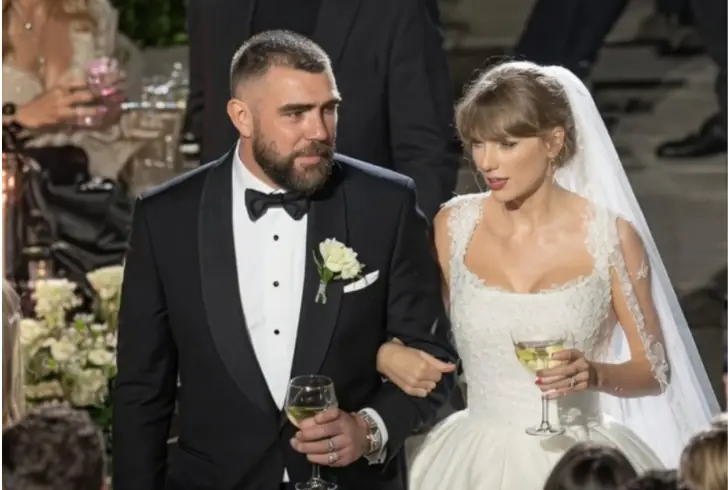
Speculation surrounding Taylor Swift’s rumored wedding has reached an unusual level. Conversations about the dress, hairstyle, guest list, and venue continue to dominate social media, even though no official details have been shared.
Fans know they are not part of the celebration, yet many still feel emotionally connected to the moment. That reaction may seem surprising at first, but psychologists say it reflects a well-known aspect of human behavior rather than unhealthy obsession.
Research suggests that the emotional bond many people feel with celebrities can be genuine while still remaining one-sided and perfectly normal.
Why Fans Feel Personally Connected
Many fans have shared their excitement about Taylor Swift’s rumored wedding on social media. One Reddit user wrote, “Love Taylor and I’m excited for her wedding… hopefully we see a picture.” Another commented, “I BADLY WANT her to be happy.”
People outside the Swiftie community may find these reactions surprising. Psychologist Bradley Bond says they are a normal part of human behavior. Research shows that people often form emotional connections with well-known public figures.
Bond studies media psychology at the University of San Diego (USD). He says the brain responds to celebrities in ways that are similar to real-life relationships. Those feelings are usually weaker than the bond people share with family or close friends.
Bond explained, “Our minds process personhood similarly regardless of whether we are processing the person standing in front of us or on a screen.” He added, “Our minds are still processing individuals as persons, and in turn, considering them as people.”
Understanding Parasocial Relationships
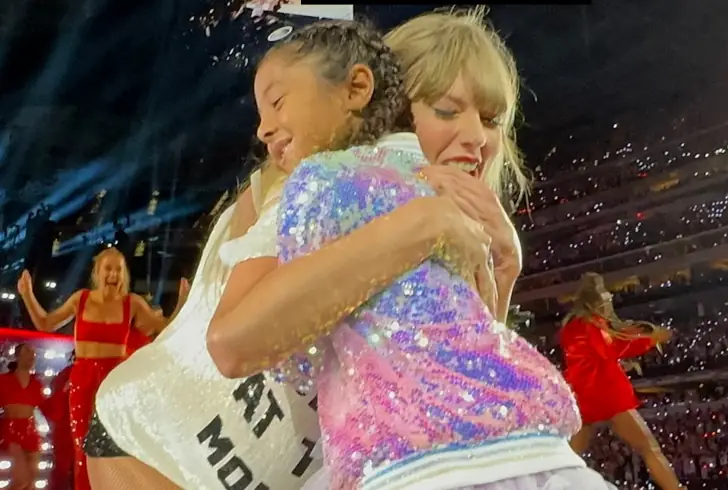
Psychologists describe these one-sided emotional connections as parasocial relationships. They develop when people repeatedly engage with a public figure through music, television, interviews, or social media. Since the human brain is naturally wired for empathy, it can respond emotionally to someone even without direct personal interaction.
Although excessive media use is often linked to poor mental health, research shows that parasocial relationships are not automatically harmful. Several psychology studies suggest they can reduce feelings of loneliness, strengthen personal identity, and improve emotional well-being.
Bond noted, “When something good happens to a media figure that we feel socially connected to, we are happy for them. When something bad happens, we can get sad for them. Really, it’s the basic nature of empathy underlying these potential emotional effects of milestones.”
A wedding represents one of life’s biggest milestones, making it understandable why fans celebrate the occasion as if someone familiar is reaching an important chapter.
The Role of Taylor Swift’s Music
Lindsey Conlin Maxwell, a psychologist at the University of Southern Mississippi and a self-identified Swiftie, agrees that parasocial relationships largely explain the emotional investment surrounding Taylor Swift’s rumored wedding.
According to Maxwell, fans have spent nearly two decades listening to Swift’s music, connecting with lyrics that often reflect love, heartbreak, growth, and personal change. Over time, that shared emotional experience creates a feeling of familiarity.
Maxwell said many fans feel connected to Taylor Swift because they have followed her music for nearly 20 years. Her songs have shared stories of love, heartbreak, and personal growth. Over time, many listeners feel they have experienced those moments alongside her. That emotional connection makes the rumored wedding feel meaningful to many fans.
She also believes music strengthens emotional attachment because it naturally connects people through shared feelings.
Maxwell explained, “Even though most of her fans have never met her personally, the parasocial bond we have through the music makes it feel real.”
Emotional Connection Has Limits
Feeling emotionally close to a celebrity does not mean fans confuse that connection with real-life relationships. Maxwell points out that most Swifties understand the difference.
She said, “The average fan, even those with strong parasocial relationships and a lot of investment in Taylor Swift’s music, can recognize that it’s her life and her milestone and not ours.”
Maxwell also addressed a common misunderstanding about parasocial relationships.
According to her, “The negative connotation is that people with parasocial relationships are obsessed or unhealthily preoccupied, when in reality most people can easily recognize that the relationship is one-sided, and that’s okay.”
In other words, emotional investment alone is not a sign of unhealthy behavior.
What Brain Research Shows
Scientific research supports these observations. Brain imaging studies show that the brain treats celebrities differently from family, friends, and strangers.
A 2020 study published in The Journal of Neuroscience examined the brain activity of 43 participants. Researchers asked them to think about themselves, loved ones, and celebrities. The results showed that the brain organizes people based on social closeness. It placed celebrities farther from the self than family members or close friends. However, it did not treat them as complete strangers.
A second study, published in Brain Sciences in 2023, reached a similar conclusion. Researchers found that the brain “clearly distinguishes between influencers or other celebrities and close people out of real life even though subjective feelings of closeness and trust can be similar.”
These findings suggest that celebrities occupy their own place in the brain. People may feel emotionally connected to them. At the same time, the brain still separates those connections from real-life relationships.
When Parasocial Relationships Become Unhealthy
Parasocial relationships are usually harmless. Still, psychologists say they can become unhealthy in certain situations.
Bradley Bond explained, “As we (as audiences) are given more opportunities for episodic interaction with people we otherwise only know through screens, our perceived sense of connection with these others is intensifying.”
Bond says problems begin when people let these one-sided connections replace real-life friendships. They can also become harmful if they interrupt daily routines or personal responsibilities.
He also warned, “If we transition from feeling like a media figure is a friend to perceiving a media figure as a deity, this can be problematic.”
Most fans keep a healthy perspective. They enjoy a celebrity’s success while maintaining strong relationships and everyday responsibilities.
Taylor Swift’s rumored wedding has drawn widespread attention. Millions have followed her music, interviews, and public appearances for nearly two decades. For many fans, the wedding represents an important personal milestone in her life.
Psychologists say empathy drives these emotional reactions. They also explain that the human brain naturally forms social connections, even with public figures.
Most fans understand that the relationship is one-sided. They also respect healthy boundaries. As a result, feeling happy for a favorite celebrity during a major life event reflects normal human behavior, not obsession.