Getting engaged brings excitement, but it can also bring a long list of decisions. Suddenly, there are dates to consider, venues to visit, budgets to discuss, outfits to choose, and family plans to coordinate. It is easy to feel pressured when every task seems urgent.
A calmer approach starts with knowing what matters most and handling one decision at a time. With a clear plan, wedding preparation can feel organized, personal, and enjoyable.
Start With Your Vision
Before booking vendors or saving hundreds of wedding photos, talk about the kind of celebration that feels right for both partners. The goal is not to create a perfect event. It is to build a wedding that reflects shared preferences, priorities, and values.
Think about the guest experience, ceremony style, food, music, photography, and overall setting. Some couples may prefer a formal ballroom reception, while others may want an outdoor gathering or a smaller celebration with close relatives and friends.
Guest count also deserves early attention. A large guest list can affect the venue, catering, rentals, transportation, and overall budget. Once the approximate number of guests and preferred style are clear, other choices become easier.
Set the Budget Early
A wedding budget gives every later decision a useful boundary. Start by discussing how much can reasonably be spent and which areas deserve the largest share.
For example, photography may matter more than elaborate décor. Another couple may care most about the meal, entertainment, or venue. There is no universal formula because priorities differ from one wedding to another.

Keep some room for unexpected costs. Alterations, extra invitations, transportation changes, service fees, and last-minute purchases can add up. A little flexibility can prevent small expenses from becoming major sources of stress.
Build a Simple Timeline
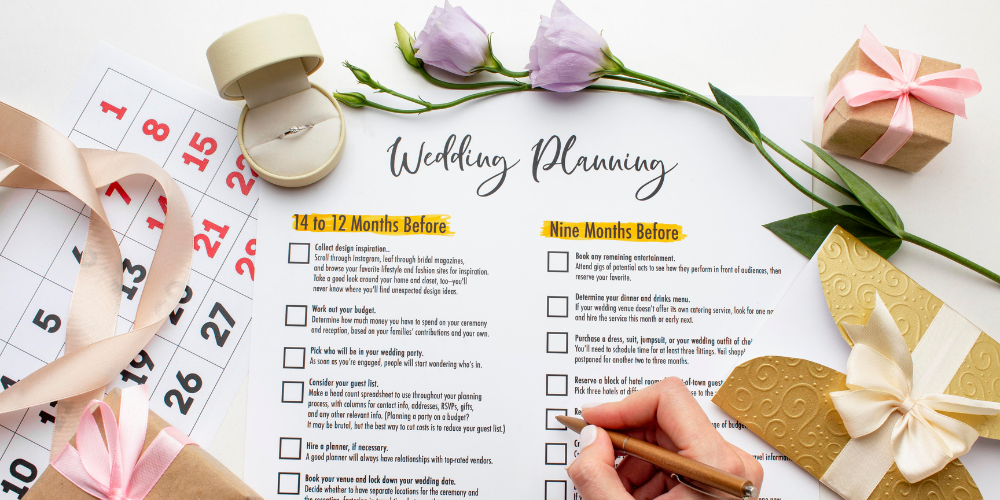
Wedding planning becomes easier when tasks follow a sensible order. Start with the date and venue, then secure major vendors such as the photographer, caterer, florist, and entertainment.
After those decisions, attention can shift to attire, invitations, décor, transportation, accommodations, and smaller details. Some vendors book far in advance, so early research can prevent limited choices later.
A digital calendar or planning checklist can keep important deadlines visible. Set dates for payments, fittings, invitation mailing, and vendor meetings. At the same time, avoid filling every week with wedding tasks. Open space in the schedule makes unexpected changes easier to manage.
Not every choice deserves the same amount of attention. Spend more time on decisions that affect the guest experience or carry long-term importance. Smaller details can remain simple.
Choose Rings Carefully
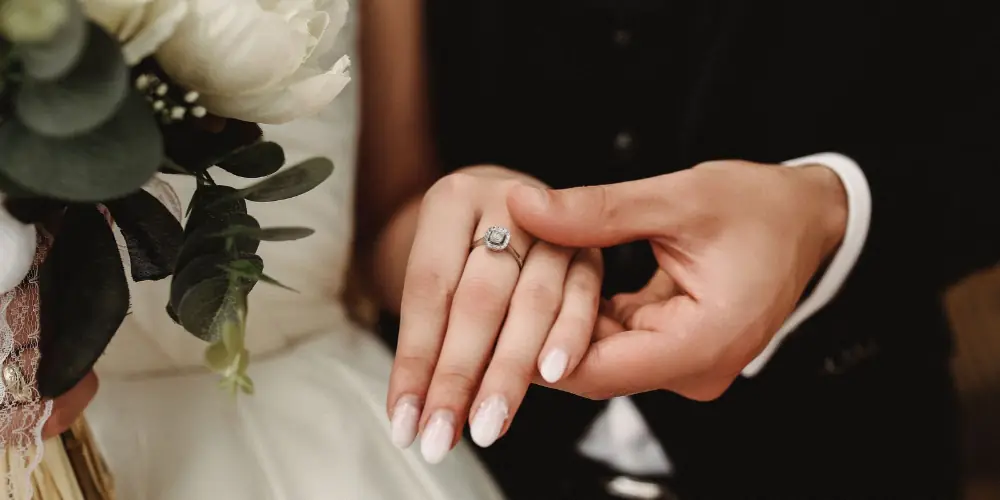
Wedding bands deserve thoughtful planning because they often become part of everyday life after the ceremony. Couples can compare metals, widths, finishes, shapes, and prices before choosing a design.
Online wedding ring shops have also made it easier to compare different styles from home. Many retailers provide detailed product images, sizing guidance, customization information, and return policies. Those details can help buyers understand their options before placing an order.
Comfort should remain part of the decision. A ring may look appealing but still feel inconvenient during daily activities. Consider work routines, hobbies, preferred fit, and whether the band will sit comfortably beside an engagement ring.
Classic yellow gold, white gold, platinum, and mixed-metal designs can all create different looks. The right choice depends on personal taste, lifestyle, and how the ring feels when worn.
Keep the Style Personal
Wedding inspiration is everywhere, from social media posts to celebrity celebrations. It can provide useful ideas, but copying another event can make planning harder and less personal.
Instead, use inspiration as a starting point. Colors, flowers, music, stationery, décor, and attire can reflect the couple’s personalities without following every trend.
The same applies to wedding clothing. A stylish outfit should also feel comfortable enough for hours of movement, photos, conversation, and dancing. Comfort can affect posture, confidence, and enjoyment throughout the day.
Personal details do not need to be expensive. A favorite song, meaningful reading, family tradition, or familiar food can add more personality than a room filled with unnecessary decorations.
Share the Work

Planning becomes less tiring when both partners have a role. Divide tasks based on interests and strengths instead of expecting one person to manage every detail.
One partner may enjoy comparing venues and vendors, while the other may prefer handling invitations, music, or transportation. Regular check-ins can keep both people informed and prevent small misunderstandings from growing.
Family and friends may also have strong opinions. Their suggestions can be useful, but the couple should make the final decisions together. Clear boundaries can protect the planning process while keeping conversations respectful.
It also helps to create time away from wedding discussions. A dinner, movie night, walk, or weekend activity without planning talk can provide a welcome break during a busy engagement.
Leave Room for Real Life
Even a well-organized wedding plan can change. A vendor may adjust a schedule, a guest may cancel, or an outfit may need another alteration. These situations do not mean the entire plan has failed.
Build some flexibility into important deadlines and avoid leaving major tasks until the final few days. Confirm vendor details, payment dates, guest numbers, transportation, and ceremony requirements before the wedding.
Most importantly, avoid measuring the celebration against photos or events seen online. A wedding does not need to look like a magazine spread to feel meaningful. Guests are more likely to remember the atmosphere, conversations, laughter, music, and connection they experienced.
A well-planned wedding does not need to follow every trend or aim for perfection. Focus on choices that reflect the couple’s preferences, from the ceremony and attire to music, food, and décor. Setting clear priorities, keeping the budget realistic, and allowing some flexibility can make the planning process easier.
The wedding day should leave room for genuine connection with family and friends. Meaningful details, comfortable choices, and thoughtful planning can create a celebration that feels natural rather than overly staged.