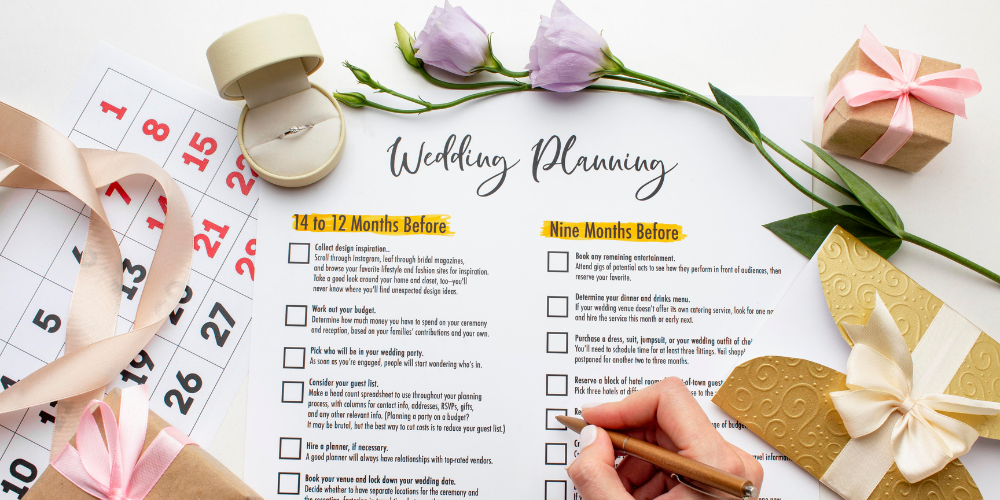
Wedding planning can bring excitement, but it can also create pressure that is easy to underestimate. Budgets, guest lists, family opinions, vendor deadlines, appearance concerns, and hundreds of small choices can keep the mind busy for months.
For some people, the stress goes beyond ordinary frustration and begins to affect sleep, mood, relationships, appetite, and daily functioning.
Part of the problem comes from an expectation that wedding planning should feel joyful at all times. When reality does not match that image, people may feel guilty for being anxious, tired, or unhappy. That reaction can add another layer of distress.
Understanding the psychological pressure behind wedding planning can make those feelings easier to recognize and address.
The “Happiest Day” Myth
The idea that a wedding should be the happiest day of a person’s life has become deeply rooted in American wedding culture. Bridal magazines, advertising, movies, social media, and the wedding industry have helped reinforce the message that every detail should feel special and that couples should experience constant happiness throughout the process.
The expectation sounds harmless, but it can create a difficult emotional standard.
Wedding planning involves contracts, deposits, scheduling, disagreements, cancellations, family expectations, and financial decisions. It is also a major life transition. Those realities do not always produce excitement. A person can feel grateful about getting married while also feeling exhausted by the planning process.
When expectations and reality clash, psychologists may describe the resulting mental tension as cognitive dissonance. A person may think, “This is supposed to be the happiest time of my life,” while privately feeling anxious or overwhelmed.
That conflict can produce shame.
Instead of simply thinking, “Wedding planning is stressful,” the person may start thinking, “Something must be wrong with me because I am stressed.” That second thought can make the original problem much heavier.
Why Planning Creates So Much Stress

Wedding stress rarely comes from one problem. Several pressures often appear at the same time.
Money can create arguments. Constant choices can exhaust attention. Family members may disagree with the couple’s decisions. Social media can create unrealistic comparisons. At the same time, the upcoming marriage can bring questions about identity and the future.
Each issue may seem manageable on its own. Together, they can become difficult to carry.
Money and Wedding Anxiety
Wedding expenses can represent a major financial commitment. Costs may include the venue, catering, photography, attire, flowers, entertainment, transportation, invitations, lodging, and countless smaller purchases.
For couples with limited savings, the financial pressure can become especially intense.
Money disagreements can also reveal different priorities. One partner may prefer spending more on the venue or reception, while the other may want to save for a home, travel, education, or emergency expenses.
Neither preference automatically makes one person right.
The conflict often becomes difficult because spending decisions can feel personal. A disagreement about a $5,000 expense may turn into a larger argument about values, responsibility, or the couple’s future.
A values-based budget can reduce some of this friction. Couples can identify the parts of the wedding that matter most and place their money there instead of trying to make every category equally important.
Decision Fatigue
Wedding planning can involve hundreds of decisions.
There are questions about colors, menus, invitations, seating arrangements, music, attire, photography, ceremony wording, transportation, timelines, and guest accommodations. Even minor choices can feel important when they are connected to a major event.
This is where decision fatigue can appear.
The brain has limited mental resources for planning, attention, self-control, and problem-solving. After making repeated decisions, people may become less patient and more likely to postpone choices, make impulsive decisions, or become upset over issues that normally would not bother them.
A simple centerpiece decision may feel overwhelming after several hours of vendor calls and financial discussions.
That response does not necessarily indicate poor coping skills. It can signal mental overload.
Reducing unnecessary choices can help. Couples can also create decision categories, set deadlines, and avoid discussing wedding details during every free moment.
Family Pressure
Weddings often bring families into close contact with decisions that traditionally belonged to the couple.
Parents may have opinions about the guest list. Relatives may expect certain traditions. Divorced parents may create seating concerns. Cultural or religious expectations may conflict with the couple’s preferences.
These disagreements can carry emotional weight because they are rarely just about flowers, food, or seating.
They may involve belonging, family loyalty, control, money, or old disagreements.
A relative who says, “That is not how weddings are done in this family,” may be expressing a deeper expectation about tradition and identity.
Clear boundaries can prevent some conflicts from spreading. A simple response can be enough:
“The decision has been made, and support would mean a lot.”
When financial contributions come with expectations, couples can also discuss those conditions before accepting the money.
Social Media and Wedding Comparison

Instagram, Pinterest, TikTok, and wedding websites can provide useful ideas. They can also create a steady stream of comparison.
Online wedding content usually shows selected moments rather than ordinary planning problems. Couples may see elaborate venues, expensive dresses, highly styled photographs, and carefully coordinated receptions without seeing the budget, stress, compromises, or failed plans behind them.
Constant exposure can make a reasonable wedding feel inadequate.
Comparison can also affect body image. “Wedding body” messaging may encourage restrictive dieting, excessive exercise, or intense concern about appearance.
Reducing social media exposure can help when browsing consistently creates anxiety or dissatisfaction.
The Wedding as a Major Identity Change
Engagement changes more than a relationship status.
A person who has spent years identifying as an individual may suddenly be described as a bride, groom, fiancé, or future spouse. That shift can bring excitement, but it can also raise uncomfortable questions.
Some people may wonder how marriage will affect independence, friendships, work, finances, family roles, or personal identity.
Those thoughts do not automatically indicate relationship problems. Major life changes often produce mixed emotions. Happiness and uncertainty can exist at the same time.
Recognizing that complexity can be healthier than forcing every emotion into a simple category of excitement.
Five Stages of Wedding Stress
Wedding stress tends to change as the date gets closer. Different pressures become more noticeable at different stages.
1. The Engagement Announcement
During the first months, the couple may suddenly receive advice and questions from family and friends.
People may ask about the date, venue, guest list, dress, honeymoon, and other details before the couple has had time to make decisions.
Taking several weeks before making major commitments can create breathing room. A private planning period also gives couples time to decide what matters before outside opinions become part of every choice.
2. Budget Reality
Around the middle of the planning process, expectations often meet financial limits.
This can create a sense of loss when the original vision is not affordable. Loss aversion, a psychological tendency in which losses feel more painful than equivalent gains feel rewarding, can make budget cuts especially difficult.
A practical response is to choose a small number of genuine priorities. For example venue, food and photography. Everything else can receive a lower priority if needed.
The specific priorities will differ from couple to couple. The important point is to make those choices together.
3. Family Politics
As the guest list becomes more concrete, family disagreements may increase.
Couples can reduce confusion by agreeing on decisions privately before discussing them with relatives. A united approach also prevents family members from receiving different answers from each partner.
For complicated families, a trusted person can handle routine questions and reduce the number of stressful conversations reaching the couple.
4. Final-Month Overload
One or two months before the wedding, vendor deadlines and unfinished tasks can converge.
Working memory becomes particularly important during this period. People can hold only a limited amount of information in active attention at once.
A long list of unfinished tasks can therefore feel much larger than it actually is. Sorting tasks into urgent, important, delegable, and unnecessary categories can reduce mental clutter.
Not every task needs personal attention.
5. Wedding-Day Performance Anxiety
The wedding day creates a different type of pressure.
Planning stress can shift into performance evaluation threat, the fear of being watched, judged, or evaluated by others. People may worry about crying, forgetting vows, looking nervous, making a mistake, or failing to match the image they created in their mind.
Slow breathing, short periods away from the crowd, and a few quiet minutes before the ceremony can help reduce physical tension.
It can also help to accept that imperfect moments are normal. A ceremony does not have to follow a flawless script to be meaningful.
Mental Health Symptoms to Watch
Wedding stress can affect emotional health in several ways.
Anxiety
Anxiety may appear as constant worrying, racing thoughts, irritability, difficulty concentrating, or repeated checking. A person may spend hours thinking about vendor problems, weather, guest reactions, contracts, or small details.
Sleep can become difficult because the mind continues solving wedding problems at bedtime.
Depression
Depressive symptoms can be less obvious.
Someone may lose interest in wedding activities that once seemed exciting. This loss of pleasure is called anhedonia. Other signs can include withdrawal, low energy, hopelessness, changes in sleep, and difficulty completing everyday responsibilities.
Feeling unhappy about wedding planning does not automatically mean depression. However, persistent symptoms that interfere with normal life deserve attention.
Physical Stress
Long periods of stress can also affect the body.
Common complaints may include headaches, jaw tension or teeth grinding, stomach discomfort, muscle tension, skin flare-ups, fatigue abnd sleep problems.
Poor sleep can create its own cycle. Lack of rest increases irritability and reduces concentration, which makes planning harder and can create even more stress.
The Post-Wedding Emotional Crash
The wedding may consume months of attention.
After the reception ends, that structure disappears almost overnight. The sudden change can feel strange.
Some people experience sadness, emptiness, low motivation, or confusion after the wedding. This experience is sometimes described as post-wedding depression.
The change can be especially noticeable when the wedding became a major source of daily purpose and conversation.
Feeling low after the celebration does not automatically mean regret about the marriage. The emotional response may simply reflect the end of a major project and a significant period of anticipation.
Creating new routines, planning ordinary activities, reconnecting with friends, and allowing time for adjustment can help.
Persistent or severe symptoms should be discussed with a mental health professional.
The Mental Load of Wedding Planning
Wedding responsibilities are not always divided evenly.
The visible tasks are easy to count: booking a photographer, ordering invitations, choosing a menu, or attending a fitting. The invisible work is harder to see.
Mental load includes remembering deadlines, tracking conversations, anticipating problems, monitoring payments, following up with vendors, and keeping dozens of details in mind.
One person may technically have “help” while still carrying most of the mental responsibility. Instead of asking one partner to “help more,” couples can create full ownership of tasks.
For example, if one person owns transportation, that person handles research, booking, payment, communication, and follow-up.
A useful task audit should cover vendor communication, RSVPs, payments, guest and family questions, timeline planning, travel arrangements, and emergency details.
The goal is not perfect mathematical equality. The goal is a division of responsibility that does not leave one person carrying the entire mental system.
Existing Mental Health and Wedding Stress
Wedding planning can intensify symptoms in people who already experience anxiety, obsessive-compulsive disorder (OCD), depression, or eating disorders.
Anxiety and OCD

For someone with generalized anxiety, wedding planning can create endless opportunities for worry. An unanswered email can become a feared cancellation. A small scheduling problem can trigger catastrophic thinking.
OCD may create a different pattern. A person may repeatedly check contracts, messages, reservations, or seating plans because certainty feels necessary. Perfectionism can also become harder to control.
Depression
Depression can make routine planning tasks feel exhausting. A person may struggle to respond to emails, attend appointments, or participate in decisions.
Family members may mistakenly interpret that behavior as a lack of excitement. That misunderstanding can increase guilt.
Eating Disorders
Wedding culture can place strong attention on body size and appearance.
Dress fittings, comments from relatives, dieting advice, and pressure to change body shape can reactivate unhealthy behaviors in people with a history of eating disorders.
Health should take priority over appearance-based wedding expectations.
Anyone with a history of significant mental health symptoms can benefit from discussing the upcoming stress with an existing treatment provider before the planning workload becomes intense.
Is the Stress Still Within a Normal Range?
There is no single score that can diagnose a mental health condition. However, several questions can help identify when wedding stress may need more attention.
Consider whether:
1. Stress or low mood has continued for more than two weeks.
2. Sleep remains disrupted most nights.
3. Work, school, or daily responsibilities are suffering.
4. Relationships are becoming strained because of the symptoms.
5 . Previously enjoyable activities no longer feel enjoyable.
6. Worry feels difficult to control.
7. Small setbacks cause unusually strong emotional reactions.
8. Wedding planning is being avoided even when important tasks remain.
9. Appetite or eating patterns have changed significantly.
10. The wedding itself has become a source of persistent dread.
The duration and effect on daily functioning matter more than the simple presence of stress.
A difficult week does not automatically signal a disorder. Persistent symptoms that interfere with normal life are a different matter and may warrant professional assessment.
Setting Better Boundaries
Boundaries can make wedding planning less emotionally demanding.
With family, couples can state decisions clearly without entering long debates. Financial contributions should be discussed openly when they come with expectations.
With friends and wedding-party members, spending limits should be treated as real limits. Attendants may have different incomes and responsibilities, so expensive plans should not be assumed to work for everyone.
With vendors, couples can pause before accepting upgrades. A sales suggestion does not require an immediate decision.
Wedding traditions are also optional.
A couple can skip a bouquet toss, choose a smaller cake, reduce the guest list, change the ceremony format, or select a simple celebration. These choices do not determine the quality of the marriage.
What Can Actually Help?
Practical strategies tend to work better than vague advice to “relax.”
Use Cognitive Defusion
When perfectionist thoughts appear, identify them rather than automatically following them.
“The invitations must be perfect” becomes “There is a thought that the invitations must be perfect.”
That small distinction can reduce the pressure to respond immediately.
Create a Worry Window
A scheduled worry window gives wedding concerns a defined period.
For example, 20 minutes in the evening can be used for reviewing outstanding issues. Outside that period, wedding discussions can pause unless something genuinely urgent requires attention.
Clarify Values
Choose three qualities that matter most about the wedding. They might be connection, simplicity, family, good food, meaningful vows, or time with guests.
Use those priorities when making decisions. If an option does not support the chosen priorities, it may not deserve additional stress or spending.
Hold Weekly Couple Check-Ins
A 15-minute conversation can focus on emotional well-being rather than logistics. Questions can include:
What feels stressful right now?
What feels manageable?
Is the workload balanced?
Is anything being avoided?
What support is needed this week?
The purpose is connection, not another planning meeting.
Consider Therapy
Therapy does not need to begin only after a crisis.
Cognitive Behavioral Therapy (CBT) can help with anxious thinking, perfectionism, avoidance, and unhelpful behavior patterns. Acceptance and Commitment Therapy (ACT) can help people respond differently to difficult thoughts and emotions.
Premarital counseling can also give couples a structured place to discuss money, boundaries, communication, family expectations, and future responsibilities.
Protecting Mental Health During the Process

Wedding planning deserves limits.
Set times when wedding conversations stop. Protect regular sleep. Keep ordinary hobbies and friendships in the schedule. Eat regular meals instead of allowing planning to dictate the entire day. Take breaks from wedding-related social media when comparison becomes stressful.
Most importantly, avoid measuring emotional health against the expectation of constant happiness.
A person can feel excited about marriage while still being tired of the planning process. It is possible to love a partner and dislike certain wedding traditions. Gratitude and overwhelm can also exist at the same time.
Those emotions can exist together.
When Professional Support Makes Sense
Professional support can be useful when wedding-related stress continues, becomes intense, or starts affecting sleep, work, relationships, or everyday responsibilities. A licensed mental health professional can help determine whether the symptoms are linked to temporary stress or may reflect anxiety, depression, OCD, or another mental health concern.
Wedding planning can bring real emotional pressure through money worries, family disagreements, decision overload, appearance concerns, and unrealistic expectations. The idea that wedding planning should feel completely joyful can make difficult emotions harder to acknowledge.
A healthier approach allows room for stress, uncertainty, and imperfect moments. Setting boundaries, sharing responsibilities, creating a realistic budget, taking regular breaks, and using practical coping techniques can make the planning process more manageable.
The wedding may last one day, but mental health affects everyday life. Giving it proper attention is an important part of preparing for marriage and the years that follow.