At its core, the term “boyfriend” carries weight. It is a designation that signals commitment, exclusivity, and a certain level of emotional responsibility. For some men, that weight feels suffocating. A relationship might feel natural and enjoyable – until the label is introduced. Suddenly, it is not just about shared experiences but about living up to an expectation.
However, the fear often stems from the belief that being called a “boyfriend” means a loss of freedom. For many, the word evokes images of possessiveness or being tied to expectations they are not ready to fulfill.
While it may seem irrational, this apprehension is often fueled by societal pressures and personal insecurities about stepping into a more defined role.
The ‘Grass-Is-Greener’ Mindset
Dating apps have revolutionized how we connect. But they have also introduced a troubling mindset. With endless swiping and scrolling, there is always the tantalizing possibility of someone “better” just a tap away. This endless pursuit feeds a dopamine-driven cycle of discovery, not satisfaction.
Relationships, which should nurture and soothe, now feel like a pause in an otherwise thrilling search for more.

This mentality leaves many men stuck. They may like someone but feel paralyzed at the idea of fully committing. Instead of deepening their connection, they keep their options open – just in case. Ironically, this approach often prevents the very intimacy they claim to seek.
‘Kidulthood’ and the Fear of Growing Up
The reluctance to embrace the boyfriend label is part of a broader trend known as “kidulthood.” Men in their twenties, thirties, and even forties are delaying traditional markers of adulthood – marriage, mortgages, and even steady jobs.
Why? Freedom feels intoxicating, and the responsibilities of adulthood can seem like a trap.
Remember, being a boyfriend is not just a title. It is often the first step toward those traditional milestones. For some, it is easier to avoid the label altogether than to risk being pulled into a path they are not ready for. The freedom to exist without labels aligns perfectly with this lifestyle of perpetual liberty.
Emotional Intimacy and Vulnerability
Relationships demand vulnerability, and for many men, that is terrifying. Society hasn’t always encouraged men to express emotions freely. Being labeled a boyfriend might feel like stepping into an emotional minefield where they are expected to be open, communicative, and emotionally available.
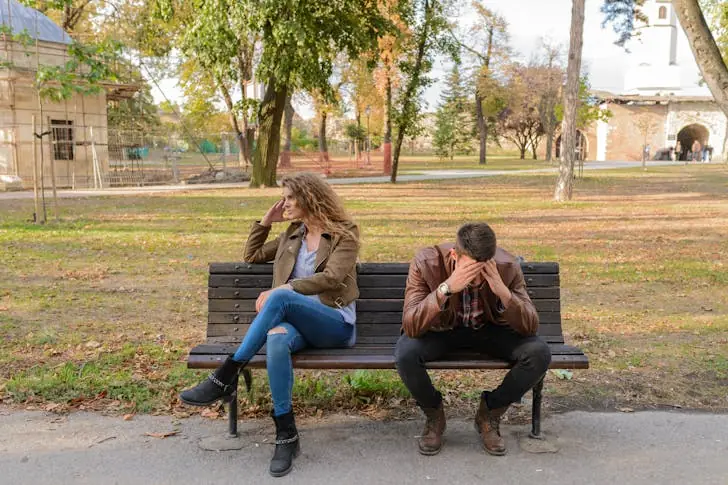
However, the fear is not necessarily about the relationship itself but the vulnerability it requires. By avoiding the title, some men attempt to shield themselves from the emotional depth they are not ready to take.
The Hormonal Factor
Science offers some fascinating insights into modern dating behaviors. Relationships naturally trigger the release of oxytocin and serotonin, hormones associated with bonding and happiness.
Yet, the addictive nature of dopamine, often triggered by novelty and the pursuit of “something better,” can override those feel-good hormones.
For some men, the cycle of matching, messaging, and dating is more about the thrill than the connection. The desire for constant stimulation keeps them chasing the next swipe instead of nurturing a real relationship. This pursuit of dopamine can explain why commitment feels like a dead end rather than a fulfilling destination.
Communication Is Key
Fear of labels is not always a sign of immaturity or selfishness. Sometimes, it reflects a genuine desire to define relationships on individual terms rather than societal expectations. The key lies in open and honest communication. If someone prefers not to be called a boyfriend, it is worth exploring why.
Is it fear of responsibility, uncertainty about the relationship, or simply a dislike for labels?
Understanding these motivations can help couples navigate their unique dynamics. Instead of forcing the label, partners can find mutual ground that respects both perspectives while fostering connection.