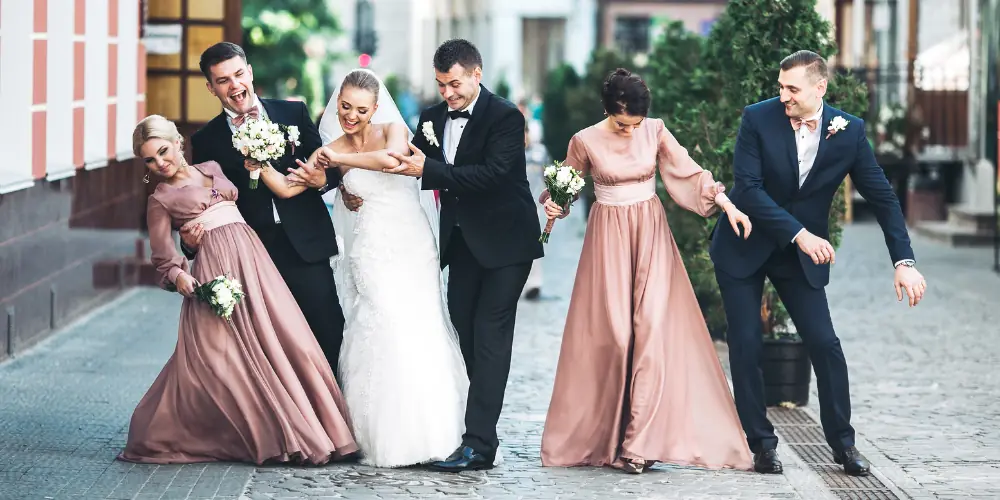
Wedding season no longer means a single ceremony and a simple outfit. Today, it unfolds across multiple days, locations, and themes. Guests now plan wardrobes, travel, and budgets around each invite.
Because of this shift, the “wedding guest economy” has taken on a life of its own, influencing fashion, retail, and even travel decisions in a major way.
How Multi-Day Weddings Redefine Expectations
Modern weddings stretch far beyond one event. Instead, couples now organize welcome dinners, themed parties, ceremonies, and farewell brunches. Consequently, each moment demands a fresh look and a different style approach.
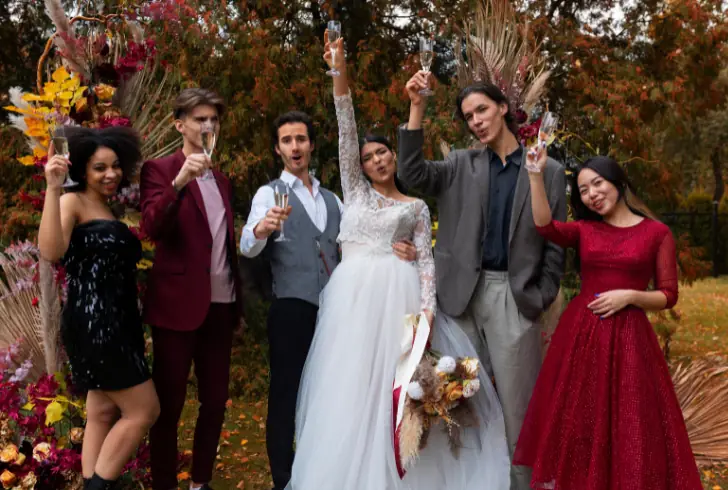
Event planners highlight this change clearly. Matthew Shaw, who leads a luxury events studio, explains that weddings now include several curated moments instead of a single gathering. He notes that couples often design detailed schedules along with visual guides that show guests what to wear for each event. Because of that, attendees feel a stronger push to match the aesthetic.
However, social media adds another layer of pressure. Even casual users tend to share wedding content online. Therefore, guests aim to stand out while still fitting the theme.
The Rise of Intentional Wedding Guest Fashion
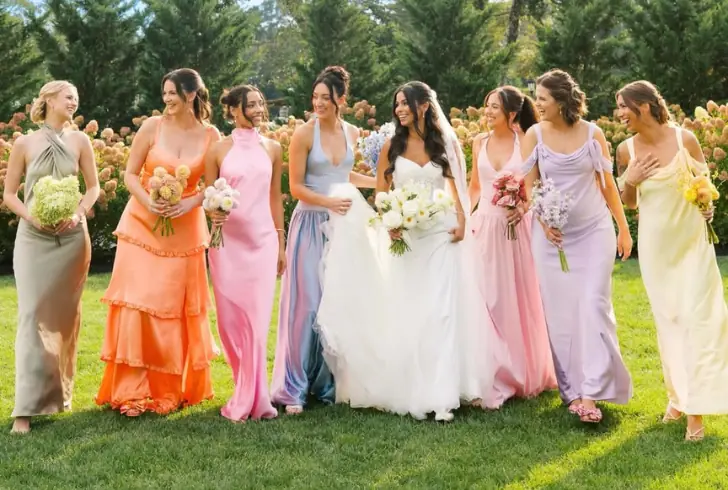
Fashion choices for weddings now go beyond picking a nice dress. Instead, guests search for pieces that feel unique and photograph well. Influencer Greta Louise Tomé observes that shoppers often focus on color, texture, and standout details first. She points out that many designs look similar today, so shoppers actively hunt for something that feels different.
Most buyers fall within a mid-range budget. However, they still expect individuality. Bright shades work well for destination weddings, while softer tones remain popular for traditional settings. Because of this, brands continue to expand their collections to meet diverse needs.
Retailers Respond to Growing Demand
Retail platforms have quickly adapted to this growing category. At Revolve, the wedding guest segment continues to outperform overall sales growth. Divya Mathur, the company’s fashion director, explains that weddings now influence a wider range of purchases than ever before.
She emphasizes that shoppers no longer think in terms of basic clothing items. Instead, they think about specific events, such as a beach ceremony or a black-tie evening. Because of that, retailers organize collections based on occasions rather than simple categories.
Meanwhile, department stores like Harrods focus on convenience. Shoppers can complete an entire look in one place, from dresses to accessories. This streamlined experience helps reduce stress during busy wedding seasons.
Wedding Fatigue and Smarter Spending Choices
While excitement remains high, financial pressure continues to grow. Travel costs, accommodations, gifts, and outfits quickly add up. Therefore, many guests now look for smarter ways to spend.
Designers respond by focusing on versatility. Rokeya Khanum, founder of Khanum’s, creates dresses that work across multiple occasions. She highlights features like adjustable elements and reversible designs. Because of this approach, customers feel confident wearing the same piece in different settings.
Rewearability has become a key factor. Simple silhouettes, such as slip dresses or midi styles, attract more buyers since they transition easily from weddings to other events.
Rental and Secondhand Options Gain Momentum
Another major shift appears in how guests access fashion. Rental platforms now play a crucial role in the wedding guest economy. By Rotation, a leading rental service, reports that wedding outfits drive a significant portion of its activity.
Founder Eshita Kabra-Davies explains that guests still want fresh looks for highly photographed events. However, they prefer to avoid the cost and waste of single-use purchases. Because of that, rentals offer a practical solution.
Behavior varies depending on the event type. For local weddings, speed and convenience matter most. On the other hand, destination weddings encourage longer rental periods. Platforms now adapt by offering flexible delivery and extended booking options.
Building Trust in a Crowded Market
As more brands enter this space, competition continues to grow. Consequently, trust becomes a deciding factor for shoppers. Consumers rely heavily on real-life examples before making a purchase.
User-generated content plays a major role here. Brands showcase how dresses look in real settings, helping customers picture themselves in similar situations. Khanum emphasizes that shoppers want clarity. They want to know how a dress fits, moves, and transitions throughout the day.
Meanwhile, rental platforms highlight real savings. By sharing customer experiences, they demonstrate clear value. This transparency builds confidence and encourages repeat use.
The Role of Influencers and Personal Curation
Despite the rise of algorithms, human curation still holds strong influence. Influencers who prioritize honesty tend to build deeper connections with their audiences. Tomé explains that genuine recommendations matter more than quick commissions.
She believes that audiences can easily sense authenticity. Therefore, creators who share only what they truly like earn long-term trust. This approach strengthens loyalty and keeps followers engaged.
Personal style also plays a key role. While data can suggest trends, it cannot fully capture individual taste. Because of that, people continue to rely on human insight when making fashion decisions.
Gaps and Opportunities in the Market
Even with rapid growth, the wedding guest category still shows gaps. Inclusivity remains one of the biggest challenges. Many shoppers struggle to find stylish options in extended sizes or modest designs.
New collaborations aim to address this issue. Influencer Remi Bader plans to launch a size-inclusive collection focused on affordability. Meanwhile, brands like Khanum’s continue to expand modest fashion options.
These efforts highlight an important shift. The market no longer focuses only on aesthetics. It now considers accessibility, comfort, and real-life usability.
Where the Wedding Guest Economy Heads Next
The wedding guest economy continues to evolve with changing lifestyles. Guests now approach weddings with careful planning and clear expectations. They want outfits that feel special yet practical.
Brands continue to refine their strategies. They focus on versatility, trust, and convenience. Because of that, the connection between weddings and consumer behavior grows even stronger.
Wedding culture keeps transforming, and guests adapt quickly. They seek style, value, and flexibility with every purchase. Meanwhile, brands respond with smarter designs and better experiences.
This shift creates a more thoughtful approach to fashion. It also reshapes how people prepare for life’s biggest celebrations.