If you have ever wondered how to increase lung capacity for swimming, you are in the right place. Swimmers often find themselves out of breath, struggling to complete laps or maintain endurance. Fortunately, increasing your lung capacity is not just about training harder. It is about training smarter.
How to Increase Lung Capacity For Swimming?
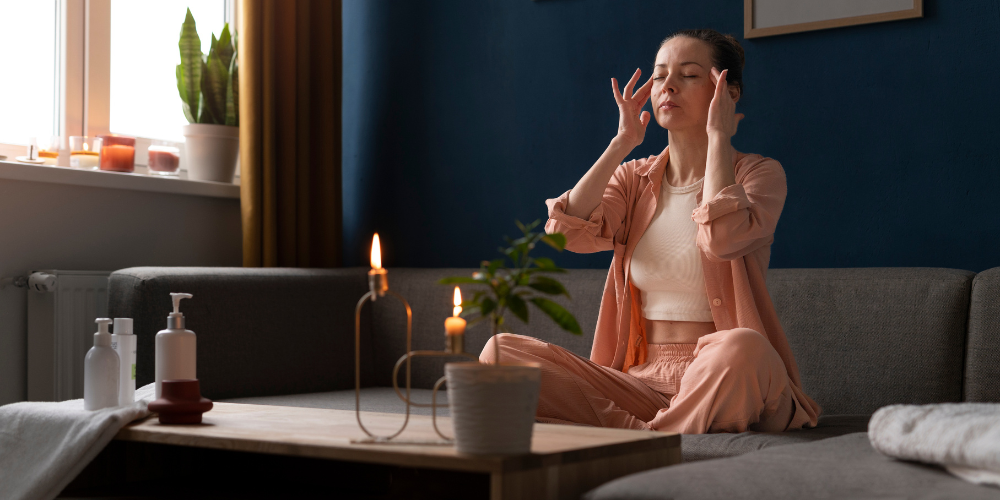
The first step in learning how to increase lung capacity for swimming is to master breath control exercises. These exercises are designed to help you regulate your breathing, enabling you to take in more oxygen with each breath. Start by practicing deep breathing exercises on land.
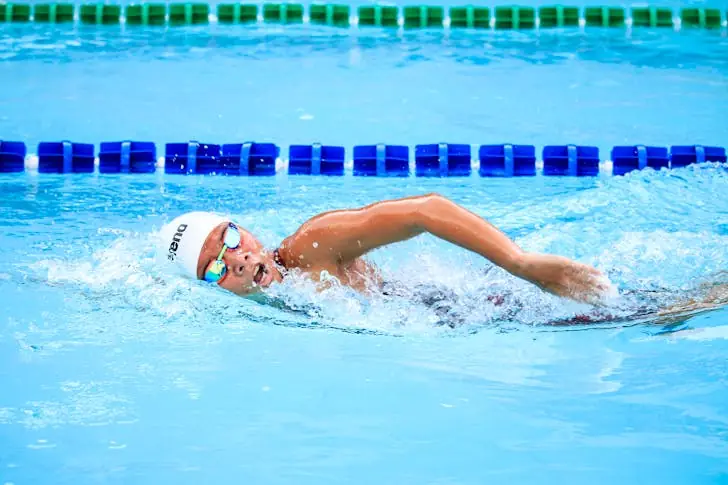
Inhale deeply through your nose, allowing your diaphragm to expand, and then exhale slowly through your mouth. Focus on prolonging the exhalation, as this trains your lungs to utilize oxygen more efficiently.
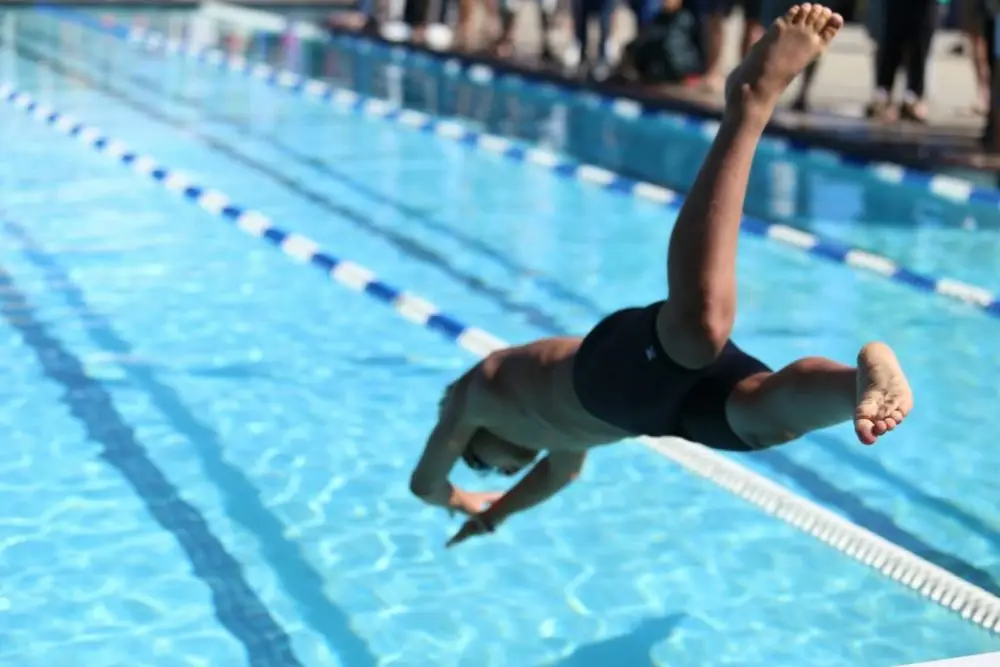
Once you are comfortable with deep breathing on land, move these exercises to the water. Begin by submerging your face and practicing controlled breathing while floating or during a slow swim.
Practice Interval Training
Interval training is another key technique in how to increase lung capacity for swimming. This method involves alternating between periods of high-intensity swimming and recovery. For example, you could swim at full speed for 30 seconds, followed by a minute of slow swimming or rest. This kind of training challenges your cardiovascular system, pushing your lungs to adapt by increasing their capacity.
As you get more comfortable with interval training, try to decrease your recovery time while maintaining the intensity. Over time, your lungs will become more efficient at processing oxygen, allowing you to sustain high levels of exertion without running out of breath.
Try Dryland Cardio Workouts
To understand how to increase lung capacity for swimming, it is important to consider what you do outside of the pool as well. Dryland cardio workouts, such as running, cycling, or rowing, are excellent for boosting lung capacity. These activities improve your cardiovascular health, which is directly related to how well your lungs function during swimming.
Incorporating regular cardio workouts into your routine can help condition your lungs to handle longer periods of exertion. However, the key is consistency. Regular cardio exercises ensure that your lungs are always being pushed to improve.
Over time, this will translate into better lung capacity in the pool, allowing you to swim further and faster with less effort.
Focus on Proper Technique
Efficient technique reduces the amount of energy you expend with each stroke, allowing you to swim longer without tiring. This, in turn, gives your lungs the chance to adapt to the demands of swimming without being overtaxed.
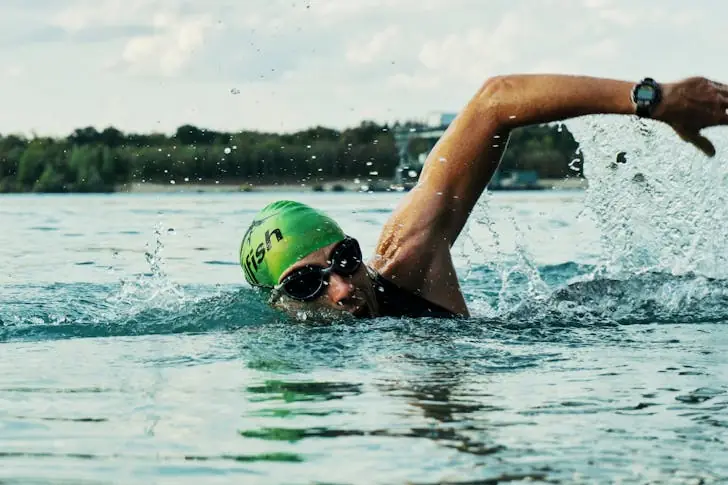
Concentrate on your body position in the water. Streamline your body to reduce drag and focus on smooth, controlled movements. When your technique is efficient, you do not need to take as many breaths.
In turn, this helps your lungs gradually increase their capacity. By honing your swimming form, you are not just conserving energy but also building up your lung strength over time.
Practice Breath-Holding Techniques
Finally, one of the most direct methods for how to increase lung capacity for swimming is through breath-holding techniques. These exercises train your lungs to tolerate higher levels of carbon dioxide, which is crucial for improving your ability to swim longer distances without needing to take a breath.
Start with simple breath-holding exercises on land. Inhale deeply, hold your breath for as long as you can, and then exhale slowly. As you become more comfortable, try to extend the duration of each breath hold.
Gradually, you can bring these exercises into the water. For example, try swimming a length of the pool while holding your breath. Over time, your lung capacity will increase, allowing you to swim longer distances without feeling out of breath.