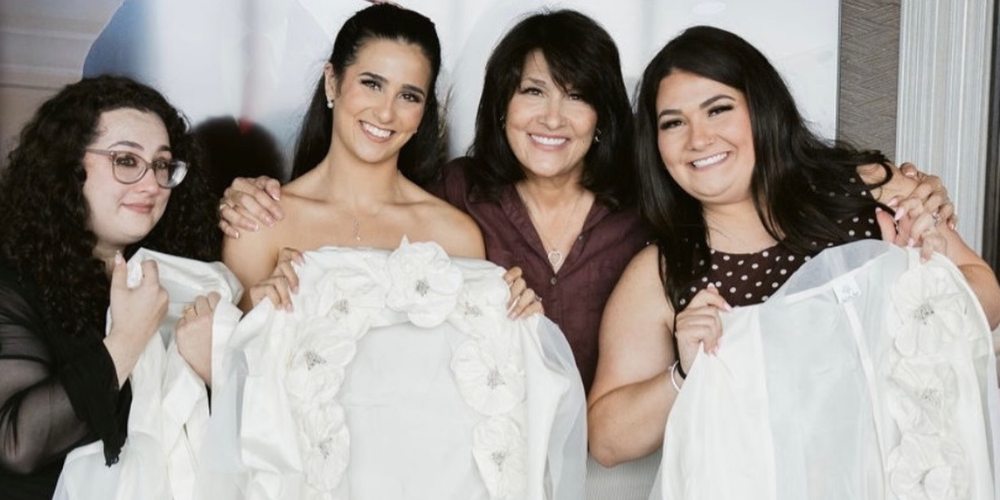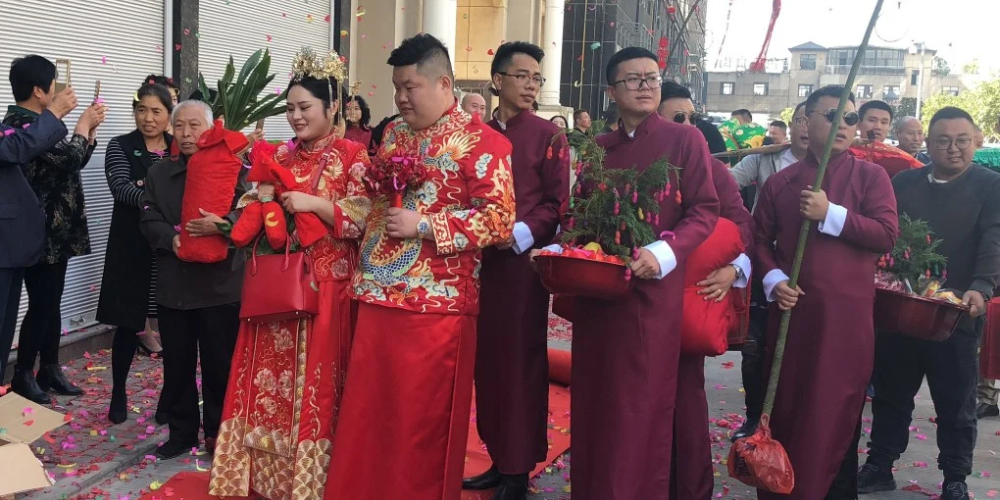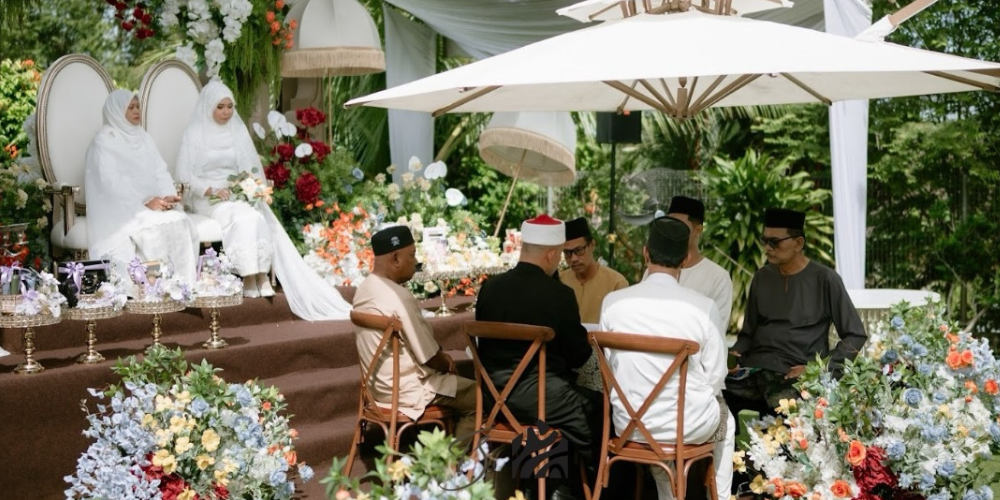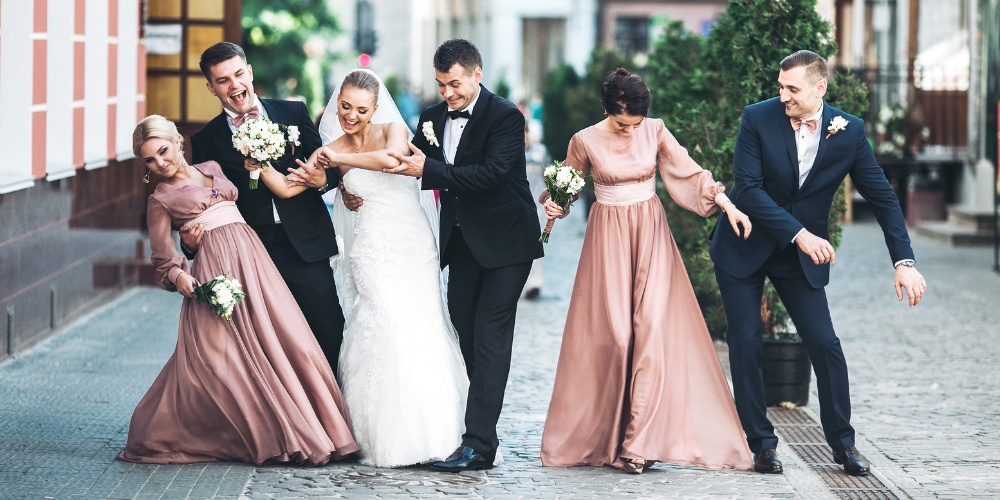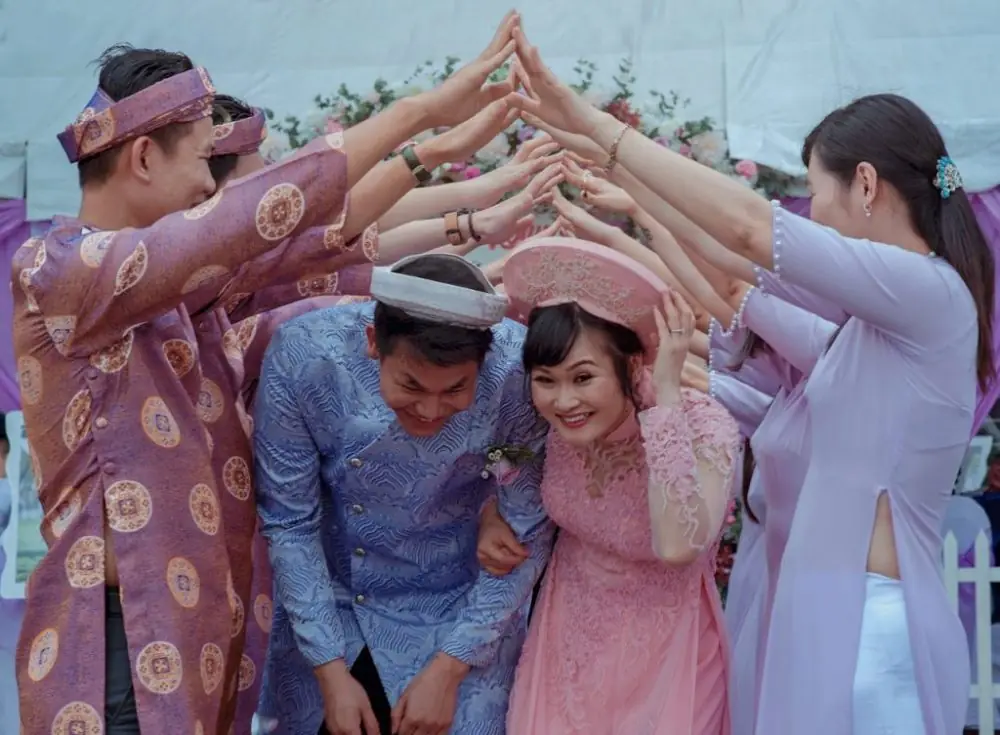
Multicultural weddings are rising quickly around the world. More couples now fall in love across cultures, religions, and countries. Their weddings reflect that reality. The result is a celebration that carries more stories, more traditions, and more meaning.
Planning a wedding that reflects two different cultural backgrounds can feel both exciting and complex. In 2026, more couples are embracing this blend with intention and creativity. Multicultural weddings have become far more common. They represent a modern kind of love story that stretches across traditions and borders.
Success usually depends on balance. Every culture carries deep history, strong emotions, and expectations from family members. A carefully planned celebration honors both traditions while still feeling authentic to the couple. When that balance works, the wedding becomes more than a ceremony—it becomes a shared cultural celebration.
Decide the Structure of the Celebration
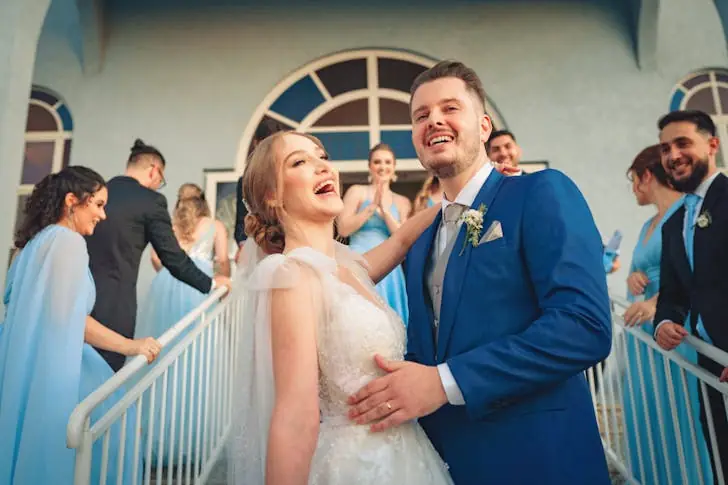
Some couples decide to host two separate ceremonies so that each tradition remains intact. This option often works best when religious rituals require specific settings or timelines.
Separate ceremonies allow families to experience familiar customs in full. A Hindu ceremony might include sacred fire rituals lasting hours, while a Western ceremony focuses on vows and a formal reception. This approach keeps both traditions intact.
However, two ceremonies require careful planning, travel coordination, and extra costs. Couples must ensure that guests can attend both events and that each feels equally important.
Many couples prefer a fusion wedding instead. Traditions from both cultures appear throughout a single celebration rather than as separate events.
Fusion weddings can span multiple days. One night may feature a welcome dinner inspired by one culture, while the main ceremony honors the other. This allows both traditions to shine without overwhelming the overall event.
Blend Traditions Through Meaningful Details
After choosing the structure, attention turns to details. Memorable multicultural weddings often tell their story through small, thoughtful touches.
Food is a key medium. Menus often highlight dishes from both cultures. Signature drinks can reflect heritage as well.
For instance, a Jamaican–South Asian wedding might serve jerk chicken alongside biryani or offer tasting stations with family recipes. Drinks might range from tropical cocktails to hometown-inspired beverages.
Manage Family Expectations With Clear Communication
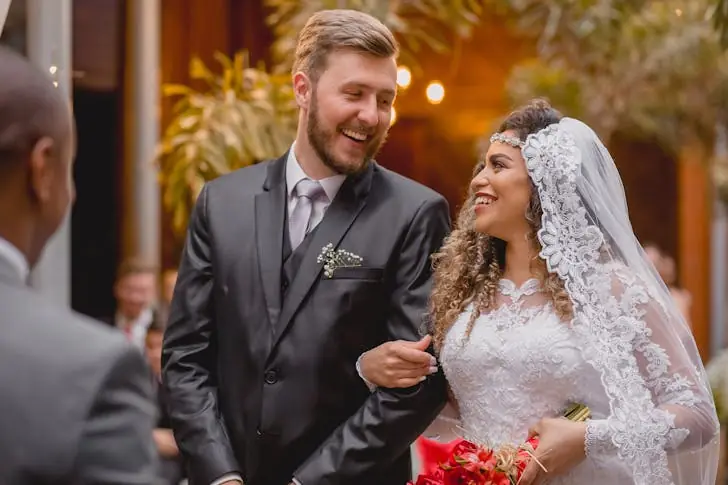
Early discussions with families clarify expectations regarding religious, ceremonial, and cultural practices. This helps avoid last-minute surprises.
Open communication reduces the chance of last-minute conflicts. When families understand the plan, they are more likely to support the celebration.
It also helps couples identify their own priorities. Certain traditions may hold deep personal meaning while others are more flexible.
For example, a couple might decide that a cultural blessing or traditional dance must be included. Once those anchors are established, the rest of the event can evolve around them.
Many multicultural couples now choose destination weddings. These settings create distance from hometown pressures and allow guests to focus on the celebration.
Jamaica has become a particularly popular destination for multicultural weddings in 2026. The island offers scenic landscapes, welcoming hospitality, and reliable wedding planning services.