Finnish weddings have never been quiet affairs. Long before modern venues and neat schedules, these celebrations pulled in entire villages and stretched across several days. Families saved for years, planned every detail, and treated weddings as a public event rather than a private one.
At the center of all this effort stood the bride’s dowry, known as kapiot. She prepared embroidered linens, clothing, and household textiles by hand, often over many months. This trousseau showed her skill, patience, and readiness for married life, and it traveled with her to her new home as a symbol of pride and preparation.
Marriage Before Vows Meant Something Else Entirely
The union was sealed the next morning when the groom presented a gift to his wife, confirming that the marriage had truly begun.
The road to engagement was just as formal. The groom did not negotiate directly with the bride’s family. Instead, he sent a spokesman to discuss terms with the bride’s father. Only after reaching an agreement and offering a donation to the family did the engagement become official, which made marriage feel more like a contract than a romance.
From Black Dresses to ‘Tahdon’ at the Altar
Modern Finnish wedding ceremonies usually follow a Lutheran structure. Hymns, readings, and vows shape the service, and when the couple says “I do,” they say “Tahdon.” Music matters deeply here, and many couples still choose Erkki Melartin’s Prinsessa Ruusunen Häämarssi to mark the moment.
White wedding dresses feel timeless now, but they are a fairly recent trend in Finland. In earlier centuries, brides often wore black dresses, regional folk costumes, or even silver crowns.
Today, the father often walks the bride down the aisle, although many couples prefer to enter together as equals.
Games, Kidnappings, and Power Plays at the Reception
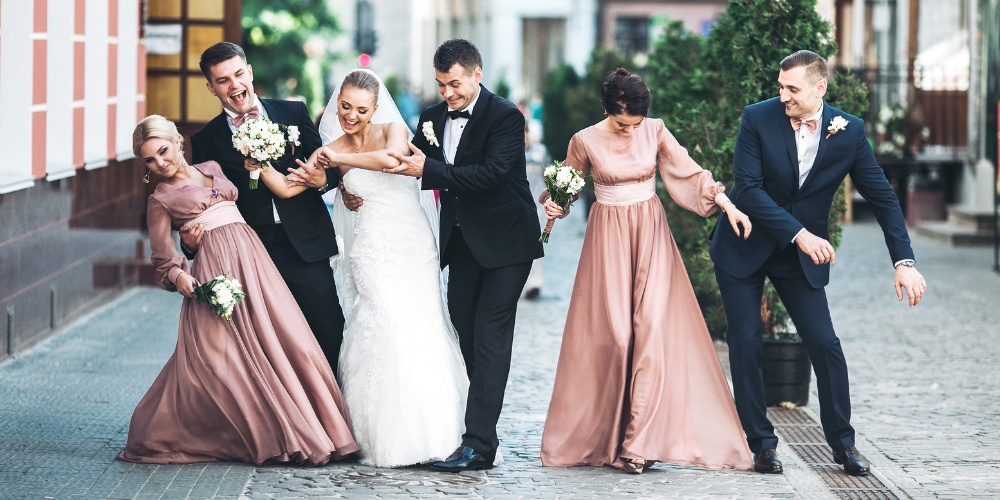
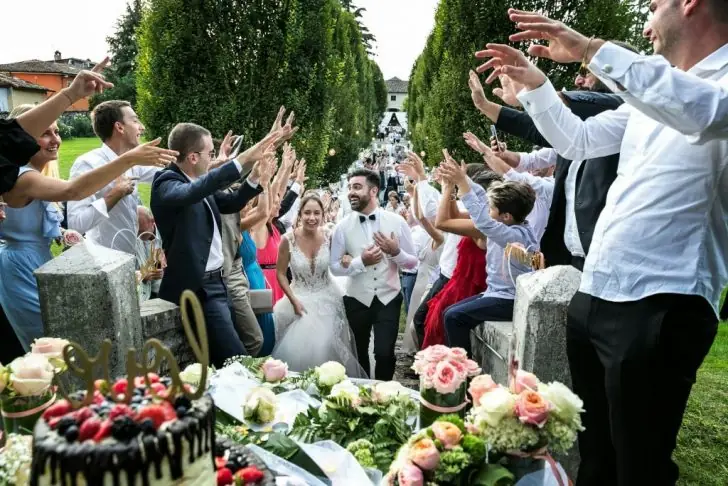
Finnish wedding receptions rarely stay calm for long. Guests expect games, pranks, and loud laughter as part of the deal. One famous tradition is morsiamenryöstö, where the groom’s friends kidnap the bride and hide her away. The groom must complete silly or awkward tasks to earn her return.
Cake cutting brings its own contest. As the couple slices the cake together, both try to stomp their foot first. Guests watch closely because tradition says the fastest foot belongs to the future boss of the marriage. It is playful, noisy, and never taken too seriously.
The bouquet toss also gets a Finnish twist. The bride is blindfolded and placed in the center of a circle of unmarried women. When the music stops, she places the bouquet or crown on the person in front of her. That woman is believed to be the next one heading to the altar.
Sauna Steam, Symbols, and Saying Goodbye to the Past
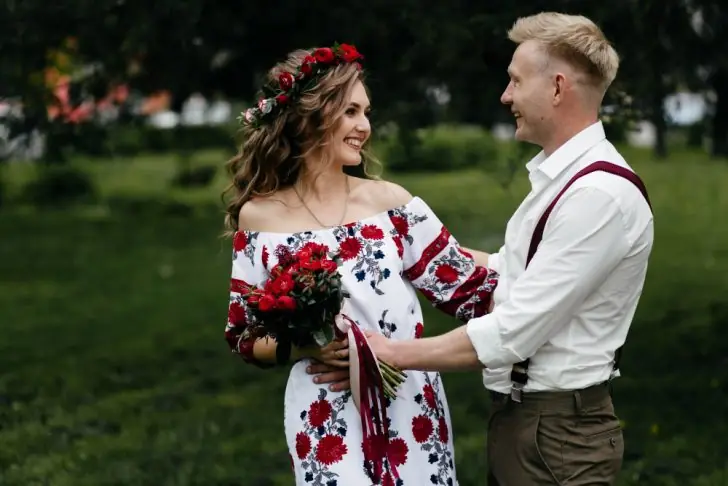
In the past, this ritual cleansed her of bad spirits and prepared her for married life. Loud noises helped scare away anything unwelcome.
Symbolism filled every step. Friends washed her hair with egg to encourage fertility and scrubbed her back with salt and flour to wash away the past. The ritual focused on renewal, strength, and stepping into the future with a clean slate.
After the ceremony, symbolism continued in unexpected ways. The couple’s getaway car often carried old shoes, cans, or even a childhood doll tied to the exhaust.
Modern Finnish Weddings Still Hold Their Ground
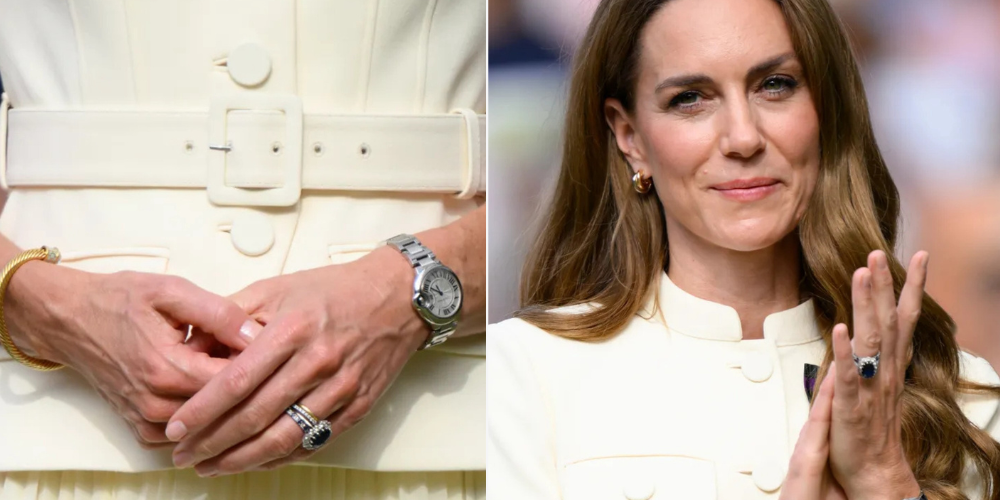
Today’s Finnish couples often choose simpler weddings that reflect their personalities. Traditions remain, but they are flexible. Engagement rings are worn by both partners on the left ring finger, usually in gold.
During the ceremony, the bride receives a second ring, while the groom often keeps wearing just his engagement ring.
Since 2017, same-sex marriage has been legal in Finland, with the same wedding rights as any other couple.